
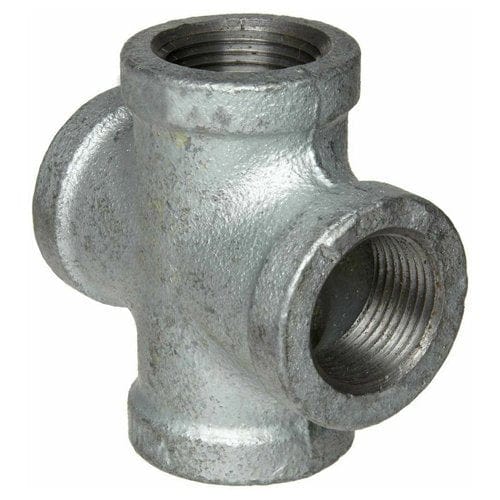
What Is a Plumbing Cross and How Is It Used?
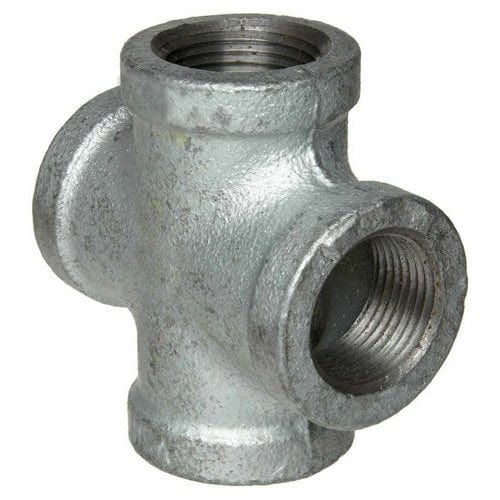
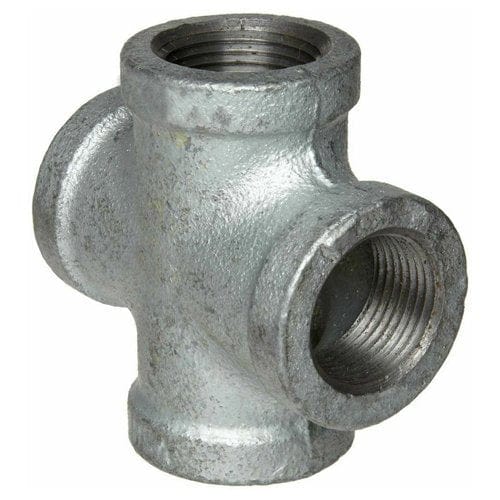
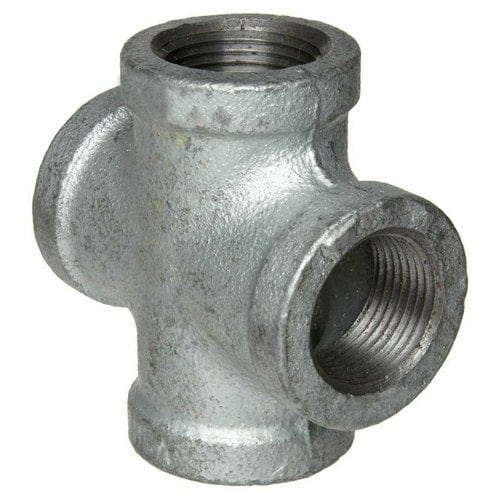
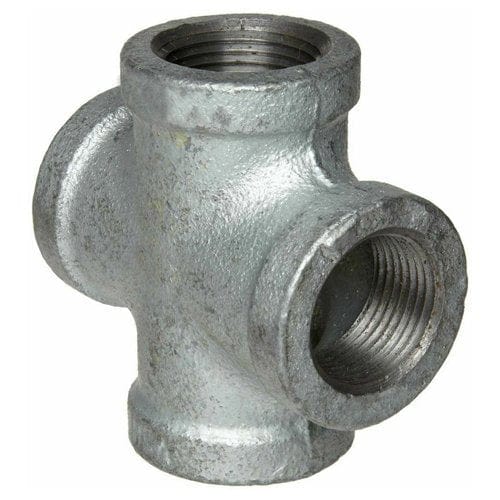
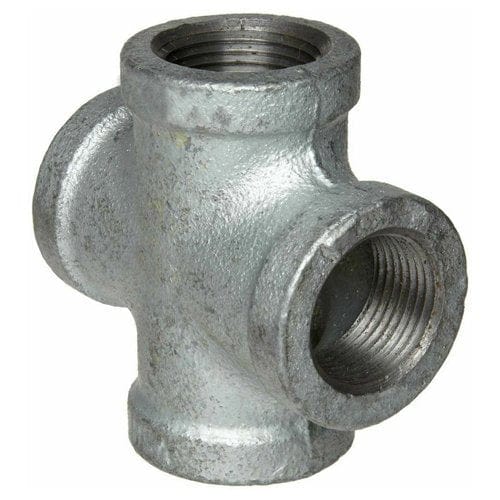
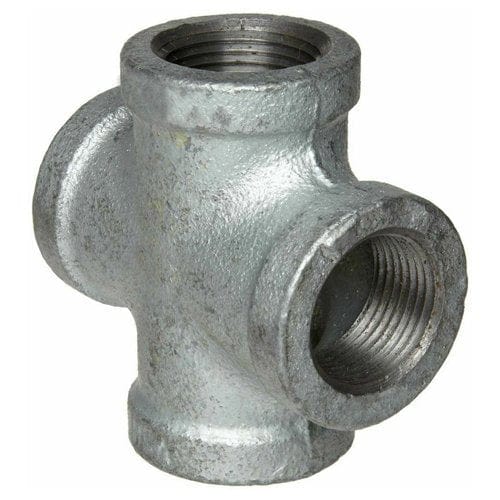
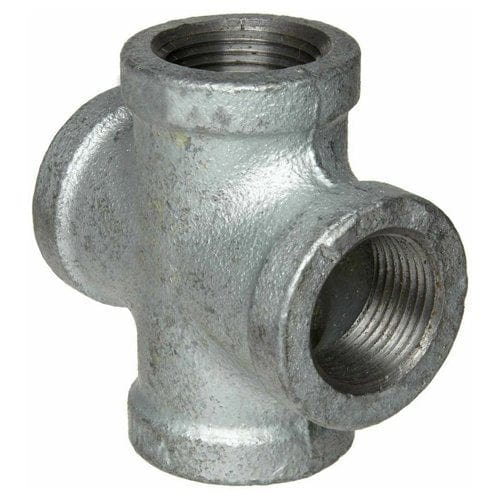
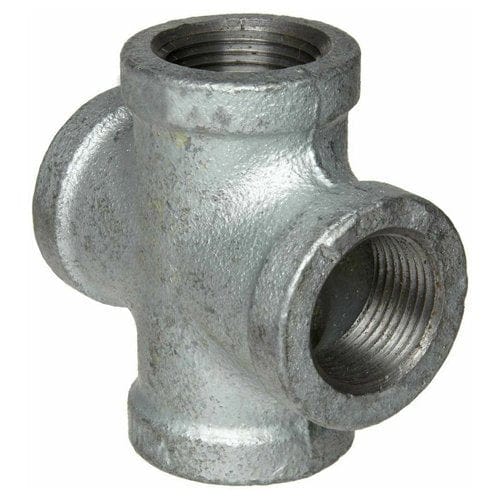
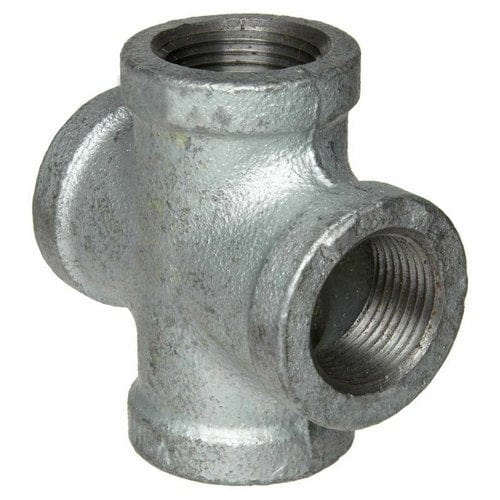
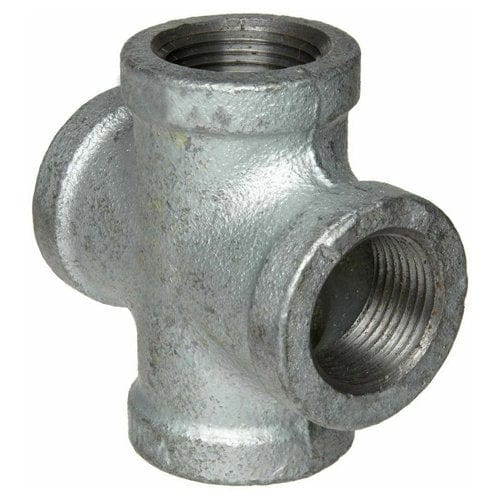
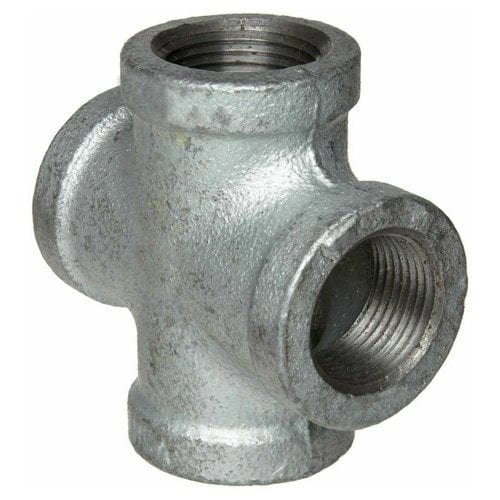
A plumbing cross (also called a four-way fitting) is a fitting with four openings arranged in a cross shape. It allows pipes to connect in four directions at one intersection.
Its main functions are to:
- Distribute flow to multiple directions
- Combine multiple lines into one point
- Create compact manifolds or junctions
How a Plumbing Cross Is Configured
- One inlet can feed three outgoing lines, or
- Two or three lines can combine into one system
Most crosses are:
- All female threaded (FIP) in iron/brass systems
- Sweat, press, or PEX in copper/plastic systems
- Equal size or reducing
Common Uses
- Gas piping manifolds
- Hydronic heating systems
- Compressed air systems
- Industrial and mechanical piping
- Water distribution in utility rooms
- Cross fittings are typically used in pressure systems where flow direction can be controlled.
Important Note (Drainage)
Plumbing crosses are NOT used in drain, waste, and vent (DWV) systems. Drainage requires directional fittings like wyes and sanitary tees to prevent clogs and backups.
What is a cross used for in plumbing?
Cross vs Tee
- Fitting Number of Openings Typical Purpose
- Tee 3 Branch one line
- Cross 4 Branch multiple directions
Simple Example
You have a gas supply line feeding a small mechanical room and need to supply:
- Furnace
- Water heater
- Dryer
- A cross fitting can serve as a compact distribution point for all three branches.
In Plain English
A plumbing cross lets you connect four pipes at one junction so flow can go in multiple directions.